

Symptoms of a Torn Cruciate Ligament in Dogs: As a pet owner, you want to make sure your dog is happy and healthy. However, a torn cruciate ligament can be a serious problem that can affect your dog's musculoskeletal system. Identifying symptoms of a torn cruciate ligament in dogs is therefore crucial in order to seek help as quickly as possible. In this article, we will discuss the different symptoms of a torn cruciate ligament in dogs and how you can recognize them.
Torn dog ligaments: symptoms
What is a torn cruciate ligament in dogs?
A torn cruciate ligament is a common injury in dogs. It occurs when one of the cruciate ligaments in the dog's knee joint tears or becomes damaged. This injury can be caused by overexertion, trauma, or age-related wear and tear. It can occur in dogs of all breeds and sizes.
Symptoms of a torn cruciate ligament in dogs
Symptoms of a cruciate ligament tear in dogs can manifest themselves in a variety of ways. Here are some common signs to look out for:
Lameness
A sudden and severe limp on one leg is one of the most obvious symptoms of an ACL tear. An affected dog will often limp on three legs, holding the injured leg up and not sitting up.
Pain and stiffness
Symptoms of a torn cruciate ligament in dogs can also include pain when the dog moves. An affected dog often exhibits stiffness or lameness after lying or sitting for long periods of time. He may also be sensitive to touching or manipulating the affected leg.
Cracking or crunching
Some dogs may have an audible popping or grinding sensation in the knee joint if the cruciate ligament is torn. This noise is usually the result of bones rubbing against each other in the knee joint.
joint swelling
Other symptoms of a torn cruciate ligament in dogs can include swelling in the knee joint. This can lead to a changed joint structure and restricted mobility.
Cruciate ligament tear dog gait pattern
How to diagnose a torn cruciate ligament in a dog?
If the symptoms of a cruciate ligament rupture in the dog have occurred, it is time to diagnose it. A veterinarian such as our specialized small animal center in Karlsruhe must carry out a thorough examination. The veterinarian will examine the dog's affected leg to identify the signs of a cruciate ligament tear. An x-ray or computed tomography (CT) scan may also be performed to confirm the diagnosis.
How to treat a torn cruciate ligament in a dog?
Treatment for a torn cruciate ligament in dogs depends on the severity of the injury. In some cases, conservative treatment such as rest, pain medications, and physical therapy may be sufficient. However, in more severe cases, surgery may be necessary to repair the damaged cruciate ligament.
Conservative treatment
Conservative treatment can be effective for minor cruciate ligament tears. It can also be recommended as a first step before surgery. Conservative treatment usually includes rest and pain medications. Your veterinarian may also recommend physical therapy to increase muscle strength and improve the dog's mobility.
Surgical treatment
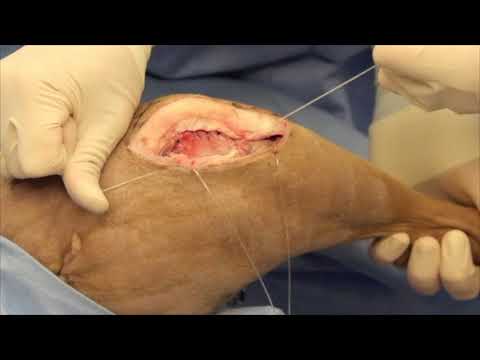
In more severe cases, surgery may be necessary to repair the damaged cruciate ligament. There are different types of surgeries that can be performed. One of the most common is the Tibial Plateau Leveling Osteotomy (TPLO), which involves repositioning the dog's shinbone to stabilize the knee joint.
How to help a dog recover from a torn cruciate ligament?
Proper care and rehabilitation after the onset of cruciate ligament rupture symptoms in the dog are critical to your dog's recovery from a cruciate ligament rupture. Here are some ways you can help your dog recover:
Immobilization and restricted movement
After surgery or injury, the dog should limit its activities. Your vet may recommend a splint or bandage to stabilize the affected leg.
Medication
Your veterinarian may prescribe pain medications for your dog to reduce pain and inflammation.
physical therapy
Physical therapy can help your dog build muscle mass and improve mobility in the affected leg. Your veterinarian or a certified animal physical therapist can help you with this.
Nutrition
A balanced and healthy diet can help your dog recover faster. Make sure you consume enough proteins, vitamins and minerals.
How long does it take for a dog to recover from a torn cruciate ligament?
Recovery time depends on the severity of the injury and the type of treatment. With conservative treatment, recovery can take about six weeks to six months, while recovery after surgery can take up to a year.
Can cruciate ligament tears in dogs be avoided?
Some factors can reduce the risk of a cruciate ligament tear in dogs, such as maintaining a healthy body weight, avoiding overexertion, and strengthening the dog's muscles through targeted exercise and physical therapy. However, it is not always possible to avoid a cruciate ligament tear.
What is the best way to protect my dog from a cruciate ligament tear?
A regular physical exam, an appropriate diet, and targeted exercise and physical therapy can help keep your dog's muscles and joints healthy. It's also important to avoid overexertion and keep your dog's weight within a healthy range.
Summary
A torn cruciate ligament can be a serious injury in dogs, but early diagnosis and treatment can improve the chances of recovery. It is important to know the symptoms of a torn cruciate ligament in dogs so that you can seek help as quickly as possible. If you suspect your dog has a torn cruciate ligament, contact your dog